
If you’ve come across terms like ISP, network operator, and MCT while researching fibre in South Africa and aren’t sure how they fit together, you’re not alone. Here’s a plain-language breakdown of who does what in a fibre rollout, and where civil contractors like Simunandi Green fit into that chain.
Network Operators and ISPs
Network operators build and own the physical fibre infrastructure in the ground. Internet service providers then sell connectivity to households and businesses over that infrastructure, sometimes over their own network and sometimes over another operator’s open-access network. The distinction matters because it explains why several ISPs can offer fibre at the same address even though only one company physically built the line.
Where Civil Contractors Fit In
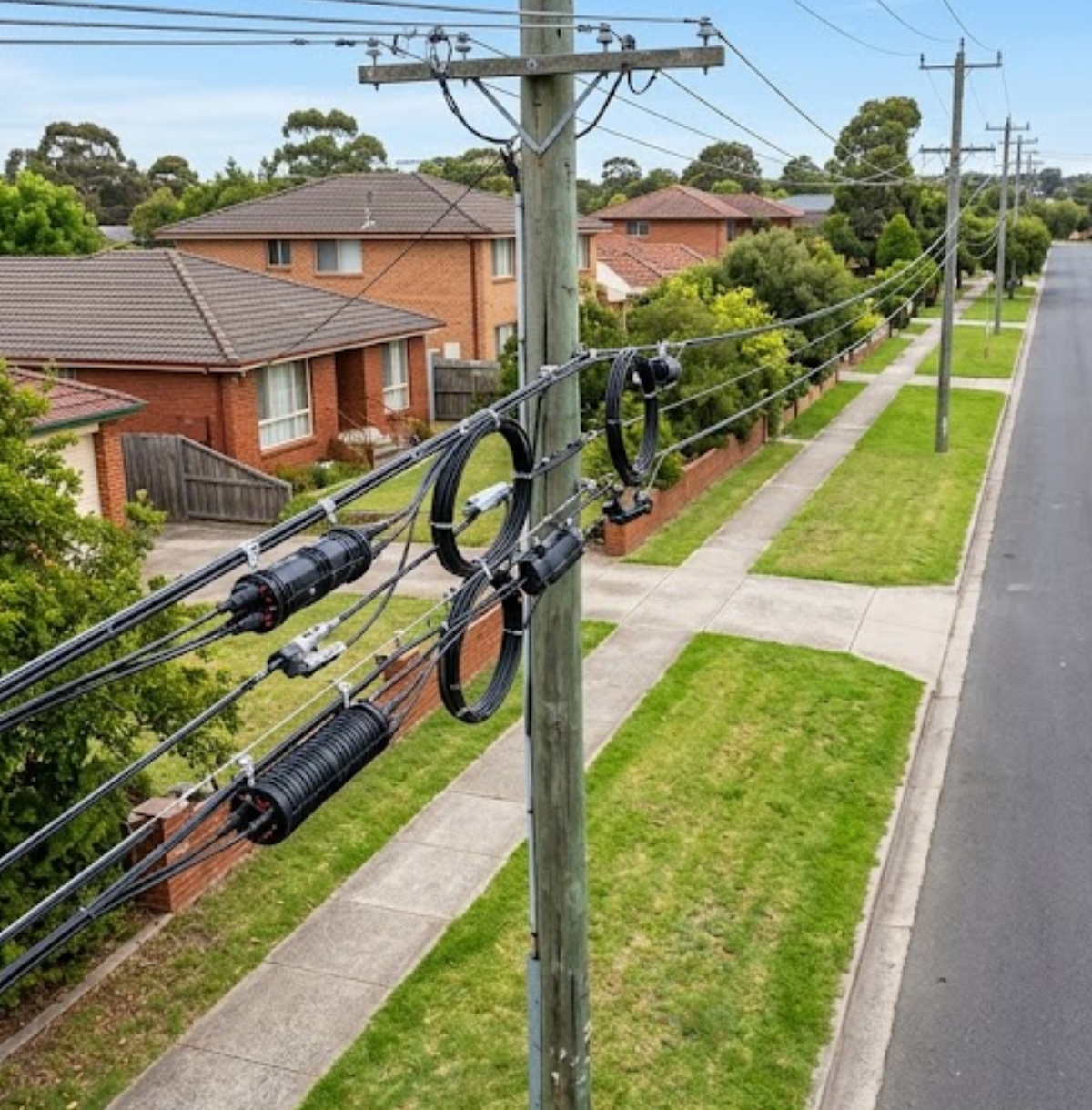
Network operators generally don’t dig trenches or splice fibre themselves. That work is contracted out to civil and fibre construction companies, often organised into build teams responsible for a specific region or rollout area. This is the layer where trenching, ducting, splicing, and reinstatement actually happen, and where build quality is decided on the ground, not in a planning document.
Why the Structure Matters to Homeowners and Businesses
If you’re dealing with a fault, a delayed installation, or reinstatement that wasn’t done properly, it helps to know which layer is actually responsible. Connectivity issues usually sit with your ISP. Physical damage to the line, trenching problems, or poor reinstatement outside your property sit with the civil contractor or network operator. Knowing the difference saves time when you’re trying to get something fixed.
Simunandi Green’s Role
Simunandi Green operates at the civil construction layer, as a CAC and FAC certified fibre contractor handling trenching, build, and maintenance work for network rollouts. If you’re a network operator, ISP, or property developer looking for a civils partner for an upcoming build or maintenance contract, get in touch to discuss coverage and capacity.