
“When will I be connected?” is usually the first question a property owner asks once a fibre rollout reaches their area. The honest answer is: it depends on the stage of the build, but there’s a fairly predictable timeline once you understand the steps.
Wayleave and Permissions First
Before any trenching starts, the civil contractor needs wayleave approval from the municipality or property owner. In built-up urban areas this can take a few days; in areas with more red tape, it can add weeks to the front end of a project. This step happens before your street sees any construction activity, so it’s easy to assume nothing is happening yet when in fact the groundwork is already underway.
Civil Works: Trenching, Ducting, and Cable Lay
This is the visible part: trenching along the route, laying ducting, pulling cable, and reinstating the surface. For a single street or small estate, civil works typically run from a few days to a couple of weeks depending on ground conditions, the number of properties, and whether the crew is working on hard surfaces like tar and paving or open ground.
From Network-Ready to Your Router
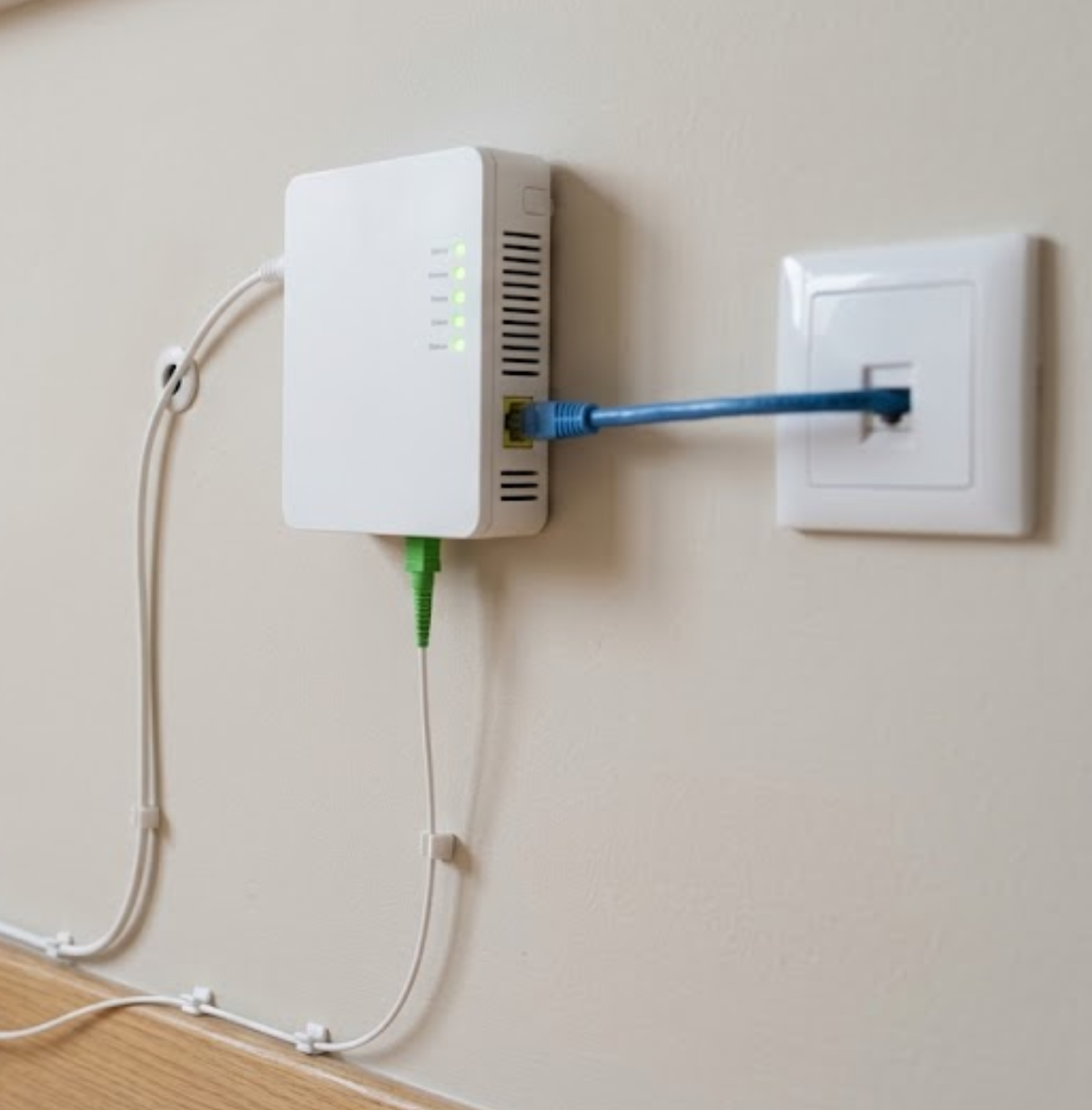
Once the network is built and live, the last-mile install to an individual home or business is usually the fastest step, often a single visit once you’ve signed up with an ISP. That install depends on the ISP’s scheduling, not the civil build, which is why two neighbours on the same street can end up connected weeks apart.
What Can Slow a Build Down
Wayleave delays, underground services that weren’t mapped accurately, rock instead of soil, and weather all push timelines out. A contractor who flags these risks upfront, rather than after they happen, is generally easier to plan around. Simunandi Green handles civil works for fibre rollouts across South Africa, from wayleave-stage planning through to reinstatement, and gives clients realistic timelines rather than best-case ones. If you’re scoping a rollout and want a straight answer on timing, get in touch.