
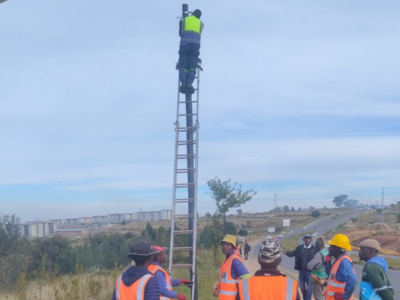
A fibre network stands or falls on the ground work behind it. Before a single strand gets spliced, a contractor plans the route, breaks ground, and lays the civil foundation the network depends on for years. Here is what that process looks like, stage by stage.
Site analysis and design
Before trenching starts, a proper contractor surveys the route, checks for existing services such as water, power, and telecoms, and confirms wayleaves and permissions. Skipping this step causes the two most common delays on fibre projects: cable strikes and permission disputes.
Trenching and ducting
Trenching opens the route for the duct network the fibre runs through. Depth, backfilling method, and reinstatement standard need to match municipal and property owner requirements exactly. Poor trenching leads to failed civil acceptance and repeat site visits.
Civil trenching also covers manholes and chambers, which give the network access points for future splicing, maintenance, and fault repair.
Splicing and cutovers
Splicing joins individual fibre strands with the precision needed to keep signal loss within tolerance. A cutover switches live traffic from the old connection to the new one, usually scheduled for low-traffic windows to limit disruption to end users.
Home drops and final connection
The last stage runs fibre from the nearest access point into the home or building and terminates it at the customer premises. This step shapes how the customer experiences the whole installation, so clean, tidy work here builds trust as much as the network build itself.
What separates a reliable fibre contractor
Every stage above needs sign-off and quality control, not shortcuts. Simunandi Green is CAC and FAC certified and manages the full fibre build lifecycle: trenching, ducting, splicing, cutovers, civil works, and maintenance, delivered on agreed timeframes with clear communication to every stakeholder on the project.
Need a contractor who manages the whole fibre build process end to end? Get a quote.