
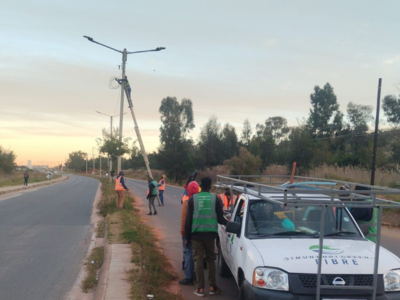
Civil construction covers more ground than most people realise until they need it: roads, trenching, site preparation, and the underground infrastructure that everything else depends on. Whether the project is a new access road, a fibre rollout that needs civil works before a single strand of cable goes down, or site preparation ahead of a commercial build, the same civil fundamentals apply.
This guide breaks down what civil construction actually involves, the main service categories a civil contractor covers, and what separates a reliable civil construction company from one that will cost you in delays and rework. Understanding the stages upfront also helps a client set realistic expectations for timeline and budget, rather than discovering the scope of the work once it is already underway.
What civil construction covers
Civil construction is the physical groundwork that supports roads, buildings, and infrastructure networks. It sits upstream of most other construction work: before a building rises, before fibre goes live, before a road carries traffic, civil teams survey the site, move earth, lay the underground services, and build the surface structures that everything else relies on.
A civil construction company’s scope typically spans road construction, civil trenching, site analysis, and the earthworks and reinstatement that connect them. Getting this stage wrong is expensive to fix later, because it usually means digging back up work that is already covered by a road surface, a building foundation, or landscaping.
In South Africa specifically, civil construction also intersects heavily with telecommunications infrastructure. Fibre rollout, in particular, depends on the same trenching, ducting, and reinstatement skills used in road and utility work, which is why many fibre-focused contractors also carry a general civil construction capability.
Road construction
Road construction covers everything from access roads on a new development to municipal road builds and upgrades. The work starts with site analysis and design: surveying the route, assessing soil conditions, and planning drainage before any earth moves.
From there, the build progresses through earthworks, sub-base and base layer construction, and surfacing, with quality control checks at each layer since a weak sub-base undermines everything built on top of it. Supervision matters as much as the machinery. A road that is not compacted correctly at the base layer will show cracking and potholing within a season or two, regardless of how good the final surface looks on handover day.
Drainage design deserves particular attention in South African conditions, where seasonal rainfall and varied soil types mean a road that performs well in one region can fail quickly in another if drainage was not planned for local conditions specifically.
Civil trenching
Civil trenching opens the ground for underground services: fibre ducting, water and power infrastructure, and drainage. It looks straightforward from the surface, but the details decide whether the finished work holds up.
- Trench depth and width specified to the service being installed and the relevant standard
- Manholes and chambers positioned to give future access without repeated digging
- Backfilling compacted in layers, not dumped back in loose, to prevent settling and surface subsidence later
- Reinstatement of the surface, whether tar, paving, or landscaping, matched to the original finish
- Civil acceptance sign-off from the relevant authority or network operator before the site is considered complete
Site analysis and pre-construction planning
Every civil project, regardless of type, starts with site analysis. This stage identifies existing services such as water, power, and telecoms lines, confirms wayleaves and permissions, and assesses ground conditions before any trenching or earthworks begin.
Skipping or rushing this step causes the two most common delays on civil projects: cable or pipe strikes during excavation, and permission disputes that halt work mid-project. A contractor who invests time in proper site analysis upfront is protecting the client’s timeline, not just their own liability.
Earthworks and materials quality
Earthworks, cutting, filling, and grading the site to the design levels, sets the foundation everything else builds on. Material quality matters here as much as technique. Sub-base and base layers built with poorly graded or contaminated material compact inconsistently, which shows up later as uneven settling.
A contractor working to the relevant civil engineering standards will test and document material quality at each layer, not just at final sign-off. That documentation matters later too, particularly on projects that require formal civil acceptance from a municipality or network operator before the contract is considered complete.
How civil works integrate with fibre and utility rollouts
Fibre and utility projects depend entirely on the civil works that precede them. A network operator’s rollout schedule is only as reliable as the trenching and ducting timeline behind it, which is why civil contractors working in this space need to coordinate closely with the technical teams handling splicing, cutovers, and network commissioning.
This is also where certification becomes relevant. Civil work supporting a fibre rollout typically needs CAC certification, on top of the general civil competency required for road or site work, because network operators hold their civil contractors to a specific standard before adding them to an approved panel.
What separates a reliable civil contractor
Civil construction work is judged on what you cannot see once it is finished. A trench that was backfilled correctly and a trench that was backfilled carelessly look identical the day the surface goes back down. The difference shows up months later, in subsidence, cracking, or a service that fails.
- Accurate site analysis and design before work starts
- Correctly executed trenching, ducting, and backfilling to spec, not just to the eye
- Clean reinstatement that matches the original surface
- Formal civil acceptance and sign-off, not an informal handover
- Registered, certified, and BBBEE compliant status where relevant to the client’s procurement requirements
- Safety standards maintained on every site, not just the ones with visible supervision
A civil project readiness checklist
Before breaking ground on a civil project, confirm the following with your contractor.
- Site analysis complete, with existing services identified and documented
- Wayleaves and permissions confirmed for the full route or footprint
- Design levels and drainage plan finalised and reviewed
- Material quality and compaction standards agreed and documented
- Sign-off process for civil acceptance confirmed with the relevant authority or operator
- Safety plan and site supervision structure in place before the first excavation
Safety standards on civil construction sites
Civil construction carries real safety risk that is easy to underestimate from outside the industry. Open trenches, heavy machinery, and roadworks adjacent to live traffic all demand a documented safety plan, not just general caution from the crew on site.
Trench collapse is one of the most serious risks on any civil project, and depth, soil type, and shoring requirements all need to be assessed before excavation, not improvised once digging starts. Roadworks carry a separate set of risks tied to traffic management: clear signage, controlled access points, and protection for both the work crew and the public moving through or past the site.
A contractor’s safety record is a legitimate question to raise before signing a contract, alongside price and schedule. Consistent health and safety standards, maintained across every site and not just the ones with a client visiting that day, are a meaningful indicator of how a contractor runs its operations more broadly.
Choosing a compliant civil construction partner
Civil construction contracts, particularly for municipal, network operator, or corporate clients, increasingly carry the same compliance requirements found in formal tender processes: BBBEE status, CIDB grading matched to the value of the work, and registration that can be independently verified. Confirming this documentation before work starts is a small step that avoids larger problems later.
A civil contractor’s compliance profile and delivery track record are worth checking as two separate things. Compliance confirms the contractor is eligible and accountable. A documented history of correctly executed trenching, road builds, and civil acceptance sign-offs confirms they can actually deliver what the compliance paperwork promises.
Frequently Asked Questions
What is the difference between civil construction and general building construction?
Civil construction covers infrastructure and groundwork, roads, trenching, earthworks, and site preparation, while building construction covers the structures built on top of that groundwork, such as commercial or residential buildings. Most projects need both, usually in that order.
How long does civil trenching for fibre or utilities typically take?
Timelines depend on trench length, ground conditions, and how many existing services need to be worked around. Proper site analysis at the start of a project gives a far more accurate estimate than a general rule of thumb, since undocumented existing services are the most common cause of delay.
Why does backfilling and reinstatement matter so much?
Backfilling that is not compacted correctly settles over time, which causes surface subsidence, cracking, and potholing months after the project is signed off. Reinstatement that does not match the original surface finish also creates ongoing maintenance and liability issues for the property or road owner.
Does a civil contractor need to be involved before a fibre or building project starts?
Yes. Site analysis and civil works typically happen first, since fibre ducting, foundations, and underground services all depend on groundwork being done correctly. Bringing a civil contractor in late usually means reworking access or services that should have been planned from the outset.
What certification should a civil contractor working on fibre projects hold?
CAC certification specifically covers the civil works, trenching, ducting, and reinstatement, that network operators require before adding a contractor to their approved panel for fibre rollout support.
What causes road construction to fail early?
The most common cause is inadequate compaction at the sub-base or base layer, which undermines the surfacing above it regardless of how well the final layer is finished. Poor drainage design for local rainfall and soil conditions is the second most common cause.
How is civil acceptance different from a general project handover?
Civil acceptance is a formal sign-off process, typically from a municipality, network operator, or client engineer, confirming the civil works meet the required standard before the project is considered complete. It usually involves documented inspection and testing records, not just a visual walk-through.
What safety risks are specific to civil trenching work?
Trench collapse is one of the most serious risks, particularly at greater depths or in unstable soil, and requires proper shoring and assessment before excavation begins. Sites near live traffic also carry risk that needs to be managed through clear signage and controlled access points.
Who manages traffic safety during road construction work?
The contractor is responsible for traffic management on and around an active road construction site, including signage, controlled access points, and protection for both the work crew and the public moving through or past the site.
Why do civil construction contracts increasingly require BBBEE and CIDB compliance?
Municipal, network operator, and corporate clients increasingly apply the same compliance standards used in formal tenders to their broader supplier base, since verified registration and BBBEE status reduce risk and support the client’s own procurement and reporting requirements.
What is the role of quality control testing during a civil project?
Material and compaction testing at each layer of earthworks, sub-base, and base construction confirms the work meets the required standard before it gets covered by the next layer. Documented testing records also support formal civil acceptance sign-off at the end of the project.
Can civil construction work proceed without confirming existing underground services first?
It should not. Skipping this step is one of the most common causes of cable or pipe strikes during excavation, which cause project delays, repair costs, and in some cases safety incidents. Site analysis should always confirm existing services before trenching or earthworks begin.
How does BBBEE ownership status affect a civil construction tender specifically?
The same principles that apply to fibre and commercial tenders apply to civil construction tenders: BBBEE status typically contributes scored points alongside price and technical capability, and a strong, verified level can meaningfully improve a contractor’s competitive position.
Simunandi Green is a BBBEE compliant civil construction contractor delivering road construction, civil trenching, and site works across South Africa since 2015. Get a quote for your next civil project.